TK Academies
TK Academy 2025: Ready, Set, Grow
Posted
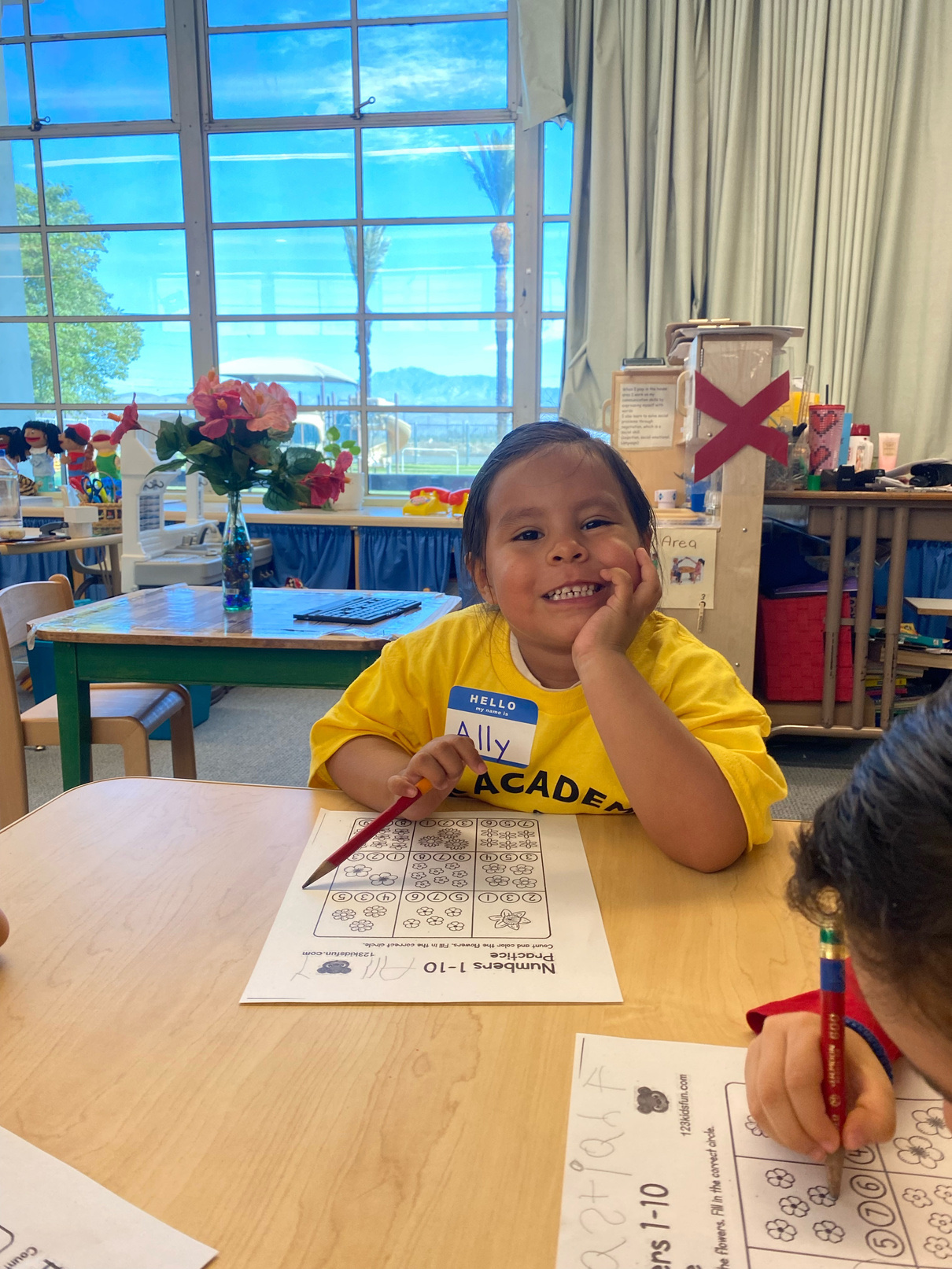
Fifteen four- and five-year-olds spent fifteen days of July 2025 getting ready for kindergarten — learning to count past twenty, to name every letter, to line up, to raise a hand, and to feel at home in a school building before the first real day of school arrived.
BASIC’s Transitional Kindergarten Academy — TK Academy — is a stand-alone summer program, separate from the older students’ Learning Academy. It is held on the Borrego Springs Elementary School campus, which is deliberate: for most of these children it is their first extended experience of the building they are about to start attending. Places are offered by invitation to children who stand to gain most from extra kindergarten-readiness support, which keeps the group small enough for genuinely individual attention.
What fifteen days changed
Every child was assessed at the start of the program and again at the end, across six core kindergarten-readiness skills. The gaps between those two measurements are the clearest thing in the whole report card.
Average performance, first day to last
Across those six areas the average improvement was 80%. The last row is the one worth dwelling on: letter-sound recognition — connecting a letter to the noise it makes — went from 10% to 45%. That is still “developing” rather than mastered, and the report card says so plainly. But it is the first step into phonics, and a child who starts kindergarten having taken it is in a different position from one who has not.


Play is the method, not the reward
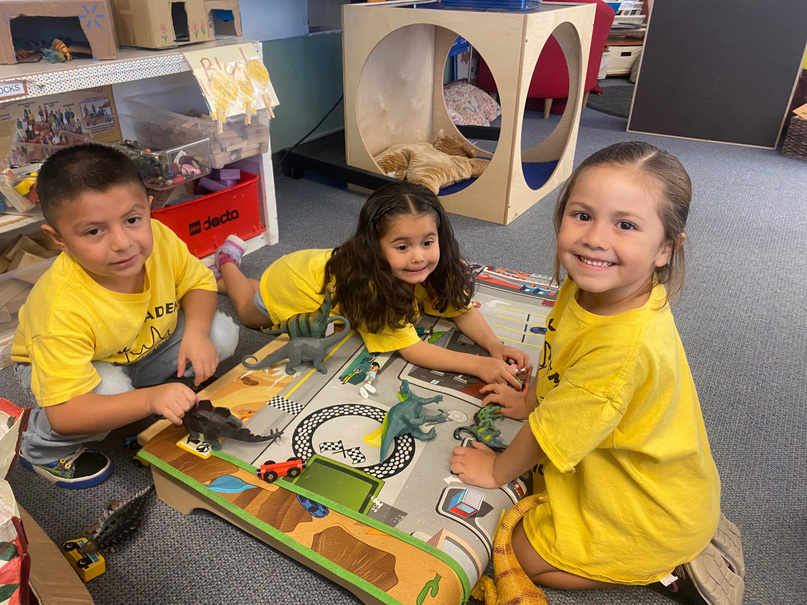
The curriculum runs on four tracks at once: early literacy and maths, social-emotional development, play-based exploration, and simple structured routine. In practice they are not separable — the same morning that teaches counting also teaches taking turns, and the same activity that builds a tower builds the confidence to try one that might fall over.
Alongside the academics, children practise the mechanics of being at school: lining up, raising a hand, working with a partner to answer a question, joining a team activity. These are the things that make a classroom navigable, and a five-year-old who already knows them starts kindergarten with attention to spare for the actual learning.
Two days out of the ordinary
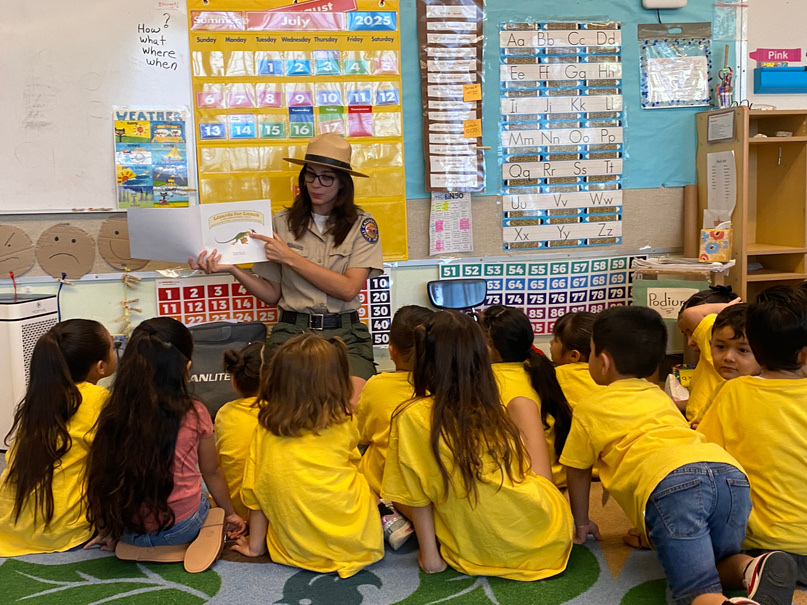
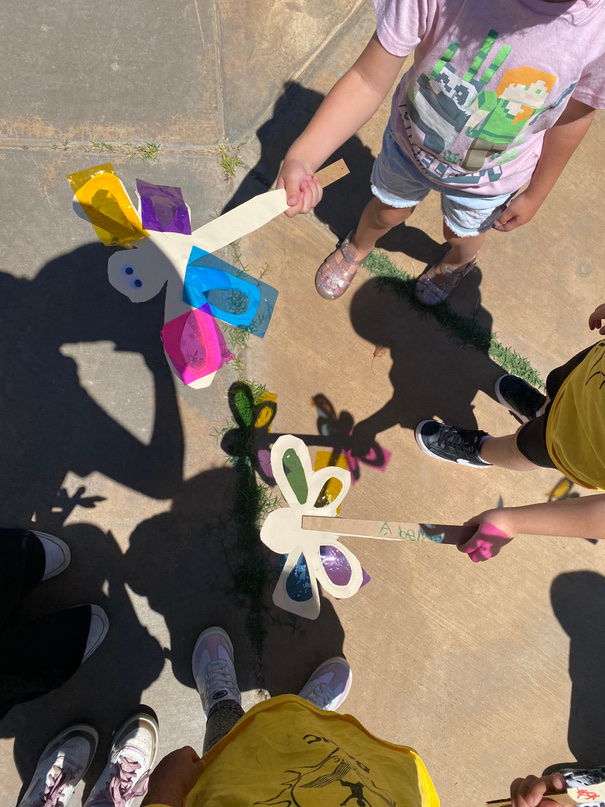
The 2025 program included two enrichment days built around where these children actually live. An educator from Anza-Borrego Desert State Park read a picture book introducing local desert plants and animals, then led a guided exploration just outside the classroom — connecting the lesson to the landscape at the door, and covering how to stay safe in it. On another day, a Fun Water Day brought a water slide, icees, and hand-made wind spinners that caught the July breeze.
What the program provides
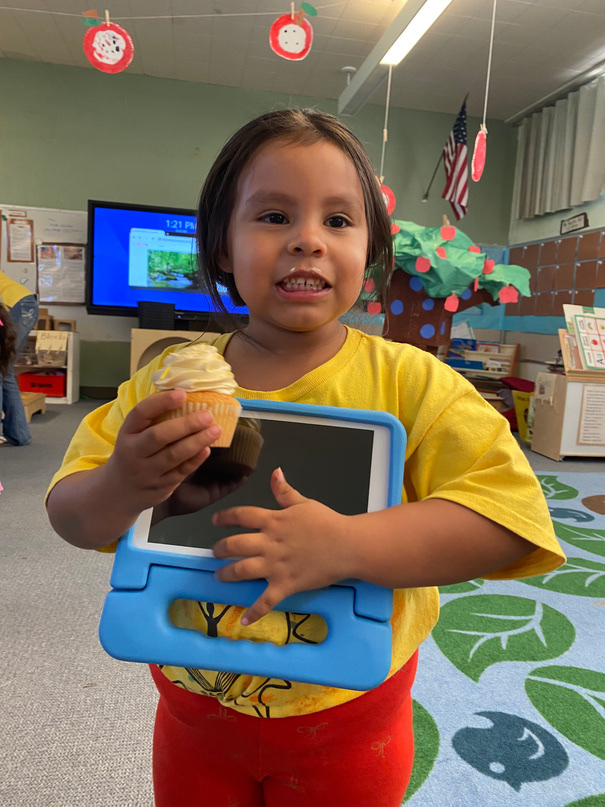
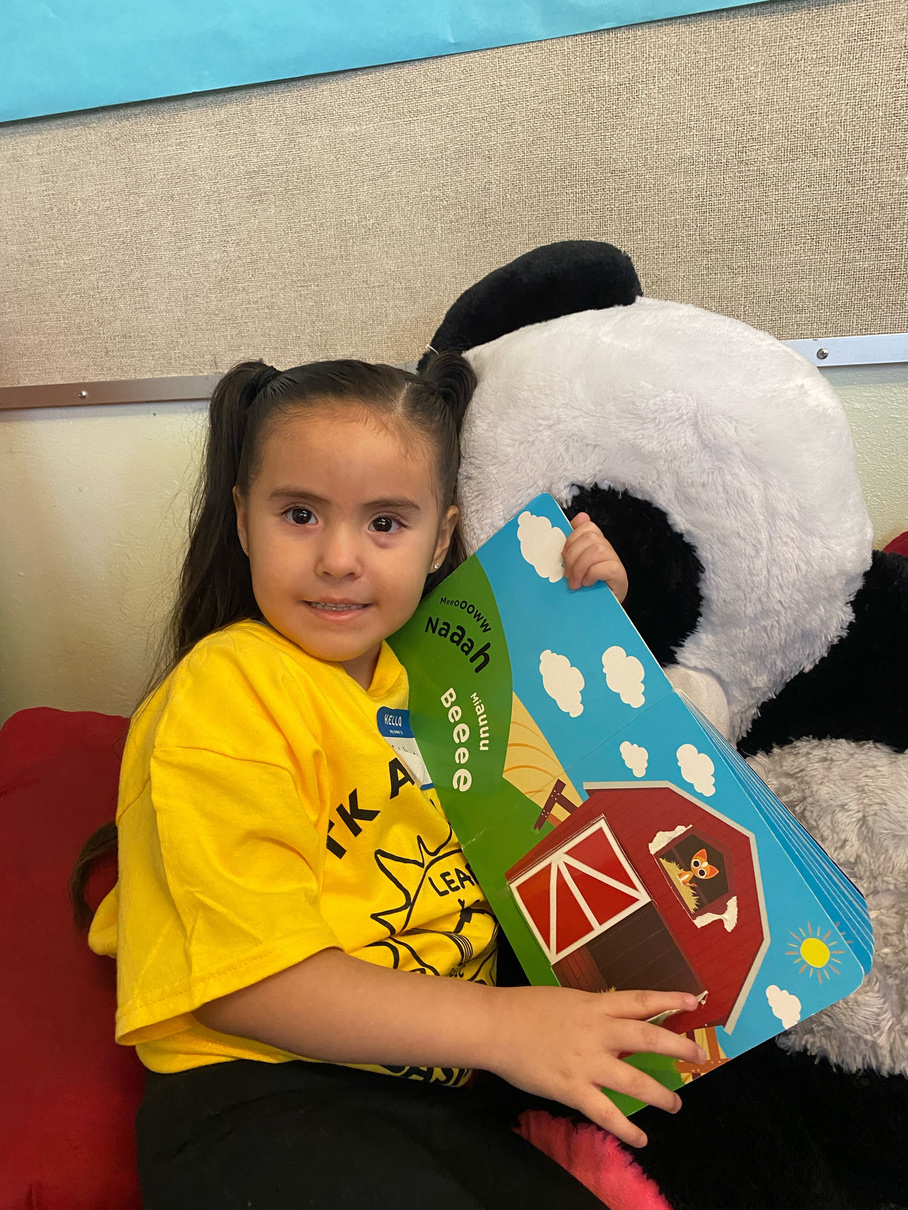
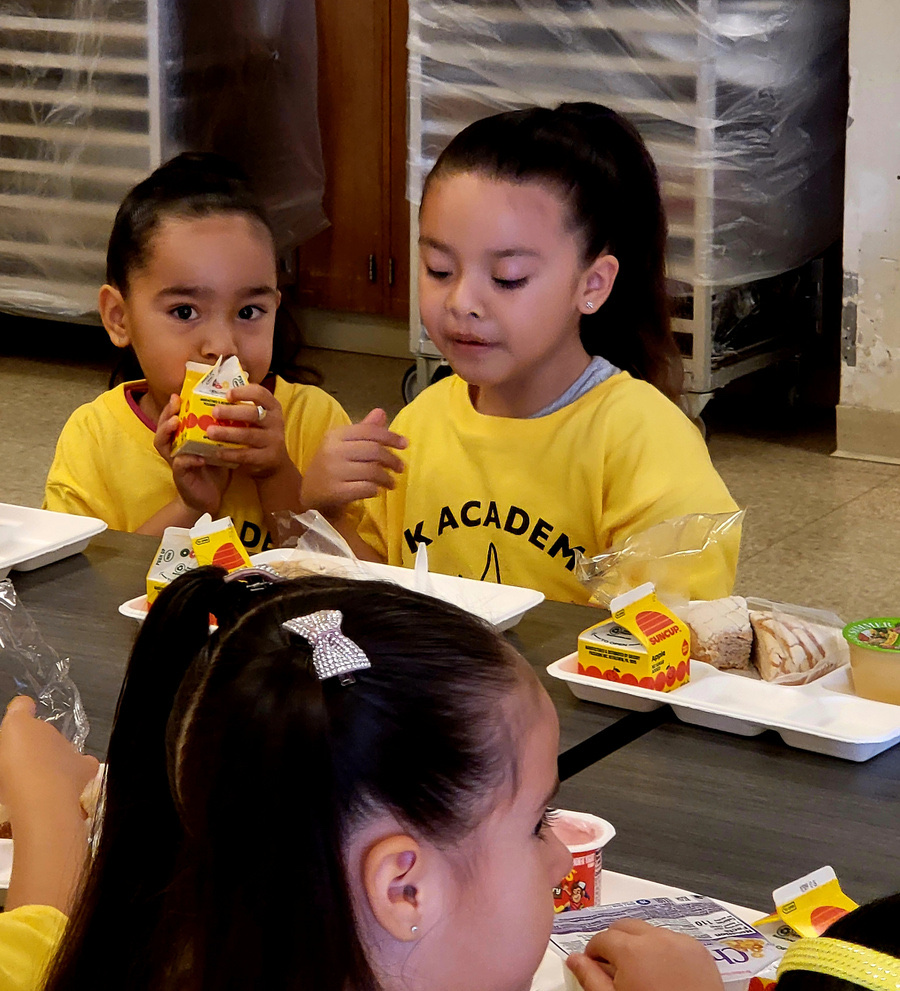
Everything is free. Door-to-door bus service means transport is never the reason a child misses a day. A hot breakfast, a snack and lunch are served daily — 450 meals over the fifteen days, plus snacks. Every child gets books for a home library, and a t-shirt and backpack that make the group feel like a group. Attendance earns an ApSeed learning tablet, and the program closes with a ceremony where the children present their class projects.
What families said
“This program really helps. My daughter was excited about every activity and never wanted to miss a day.”— Cristal
“I saw my child become more independent — wanting to do homework, practice numbers, and write her name.”— Yazmin
“I love that they receive books. My daughter has a little library at home now, and this program added even more.”— Alicia
“All of the educational and recreational activities were very good. I saw more interest in my child doing activities and homework at home.”— Guadalupe
The children had their own summary. “I liked learning my letters and numbers and showing my mom,” one said. Another: “My favorite part was doing art and projects with my friends.”
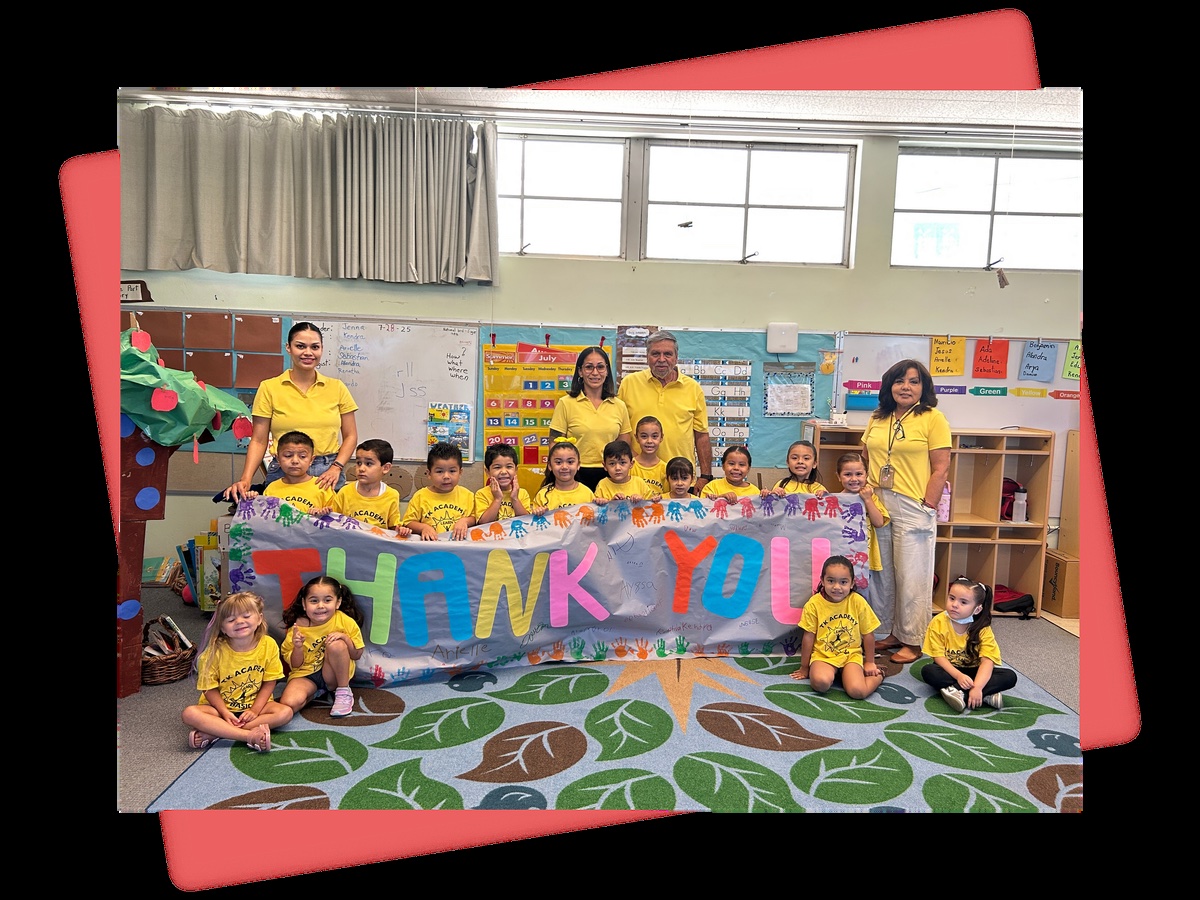
TK Academy 2025 was led by Dean of Students Ken Collard with instructor Irene Marmolejo and instructional aides Flor Gomez and Blanca Rodarte, supported by volunteer Christian Carmona and BASIC’s program support team.