Learning Academies
Learning Academy 2025: Capes for the Ninth Summer
Posted
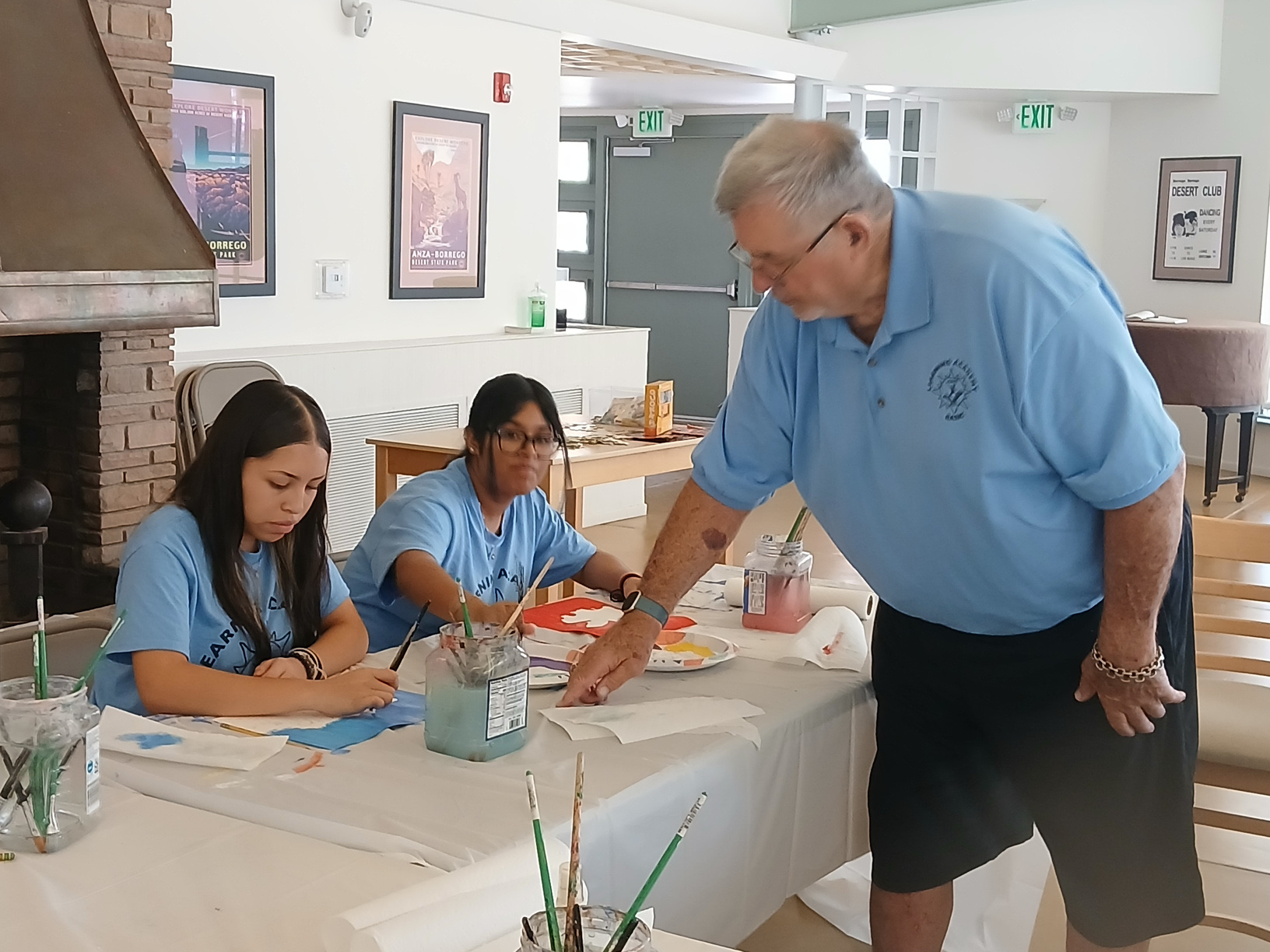
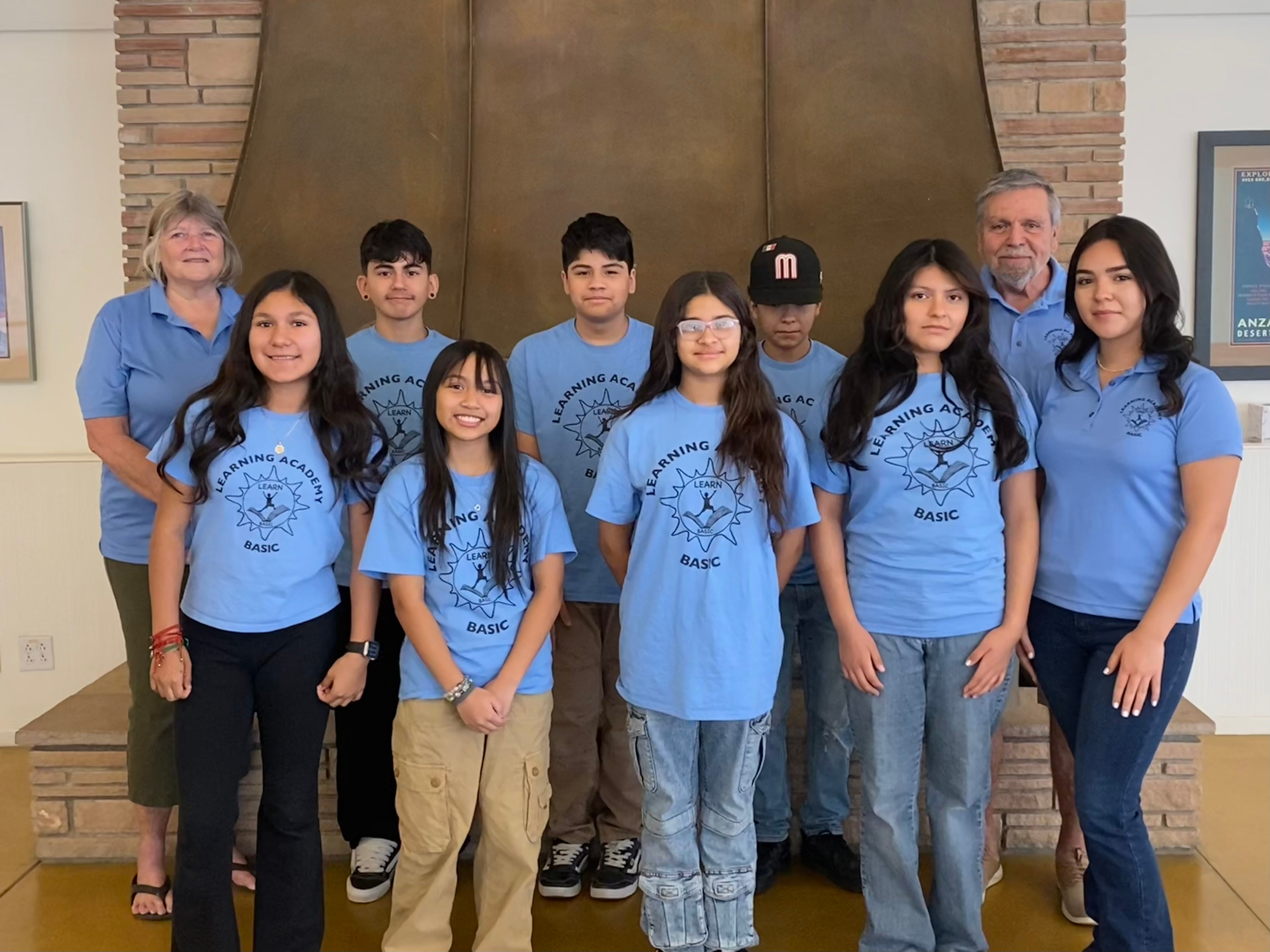
Thirty-seven students came through Learning Academy’s ninth summer, in classes of eight to twelve with one teacher and one aide apiece — small enough that a struggling reader in July couldn’t disappear into a crowd. Ninety-nine percent attendance among those thirty-seven tells you most of what you need to know about whether the students wanted to be there.
The program’s own framing hasn’t changed since the first summer in 2016: research points to two “critical junctures” in a child’s education — learning to read in kindergarten through third grade, and reading to learn from fourth grade on. Nearly 90% of Borrego’s students arrive at those junctures already behind, and the Academy exists to close that gap before it hardens into a pattern that follows a student through school.
- Students enrolled
- 37
- Attendance
- 99%
- Class size
- 8–12 students
- Instruction
- 100+ hours, tuition-free
A morning at Learning Academy
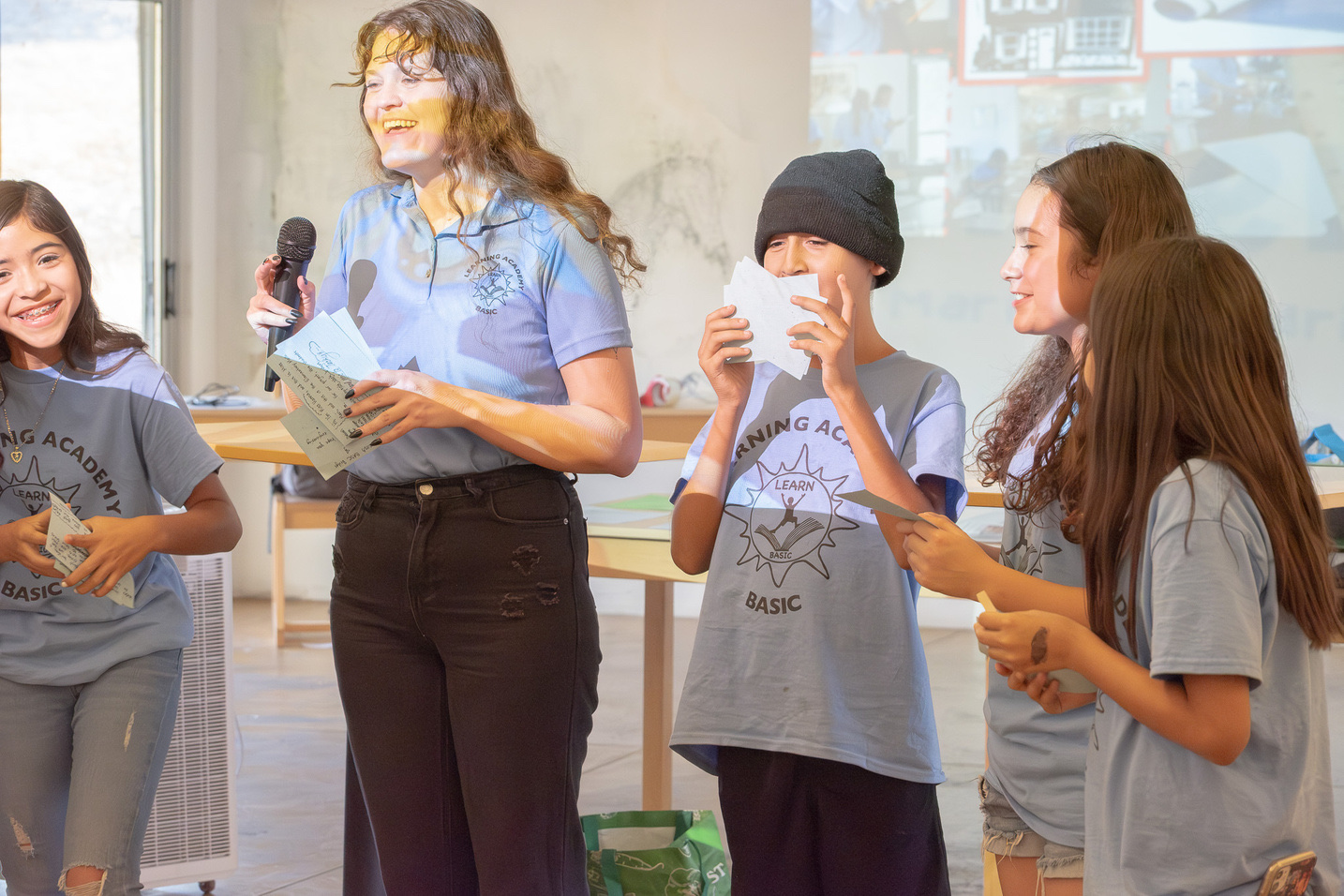
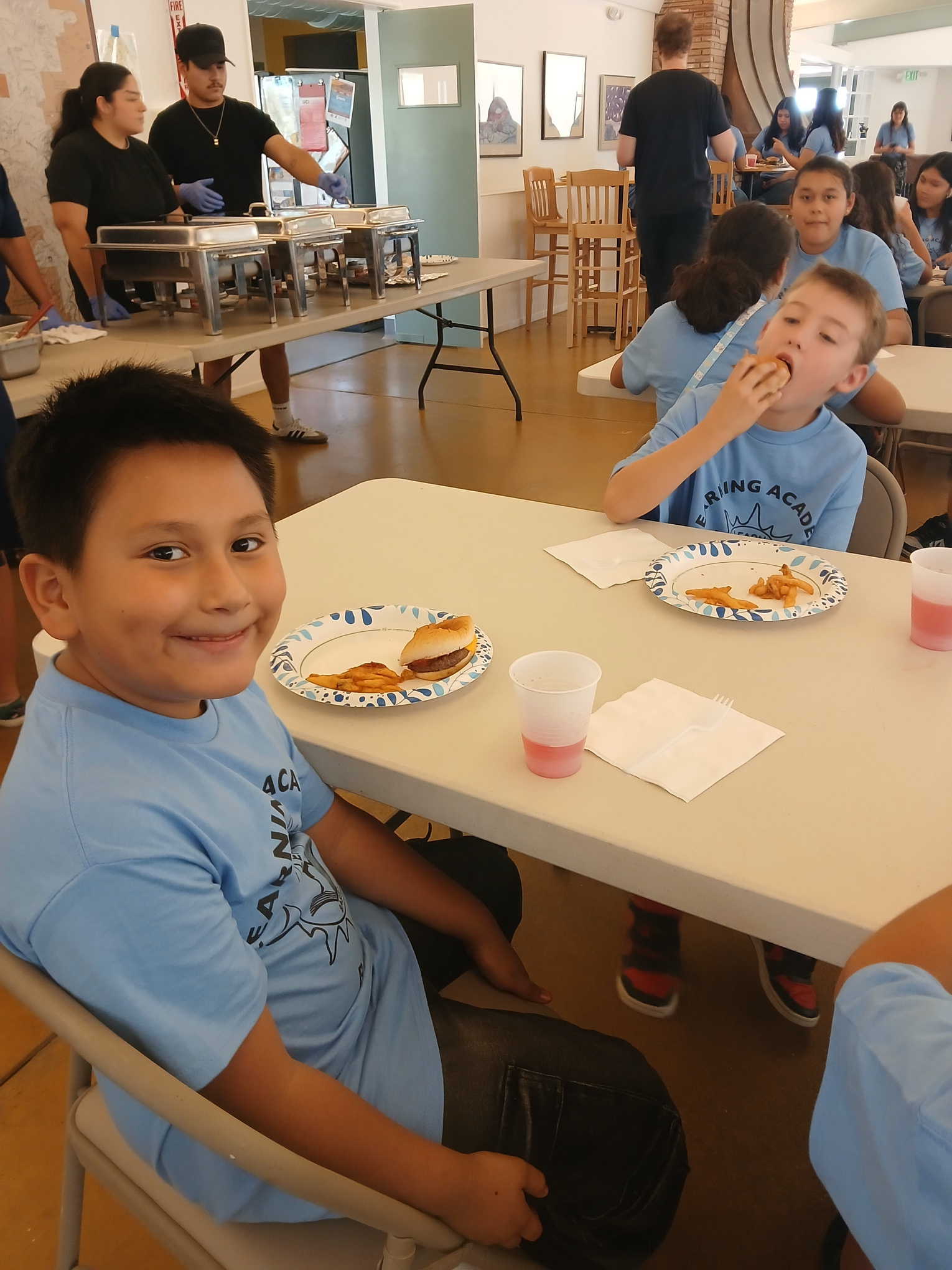
Days ran full — reading and math instruction in the morning, hands-on projects and enrichment through the afternoon, all inside the same “school without walls” structure the Academy has used at the Steele/Burnand Anza-Borrego Desert Research Center since its first summer. What’s changed over nine years isn’t the shape of the day so much as the confidence in it: staff know which activities land, which incentives work, and how to keep a month of full-day summer classes feeling less like punishment for falling behind and more like something worth showing up for.
Attendance incentives helped: students who made at least nineteen of the summer’s twenty class days earned a reward, a small mechanism that, combined with door-to-door transportation and free meals, kept the 99% figure from being a fluke.
Hands-on learning, in pictures
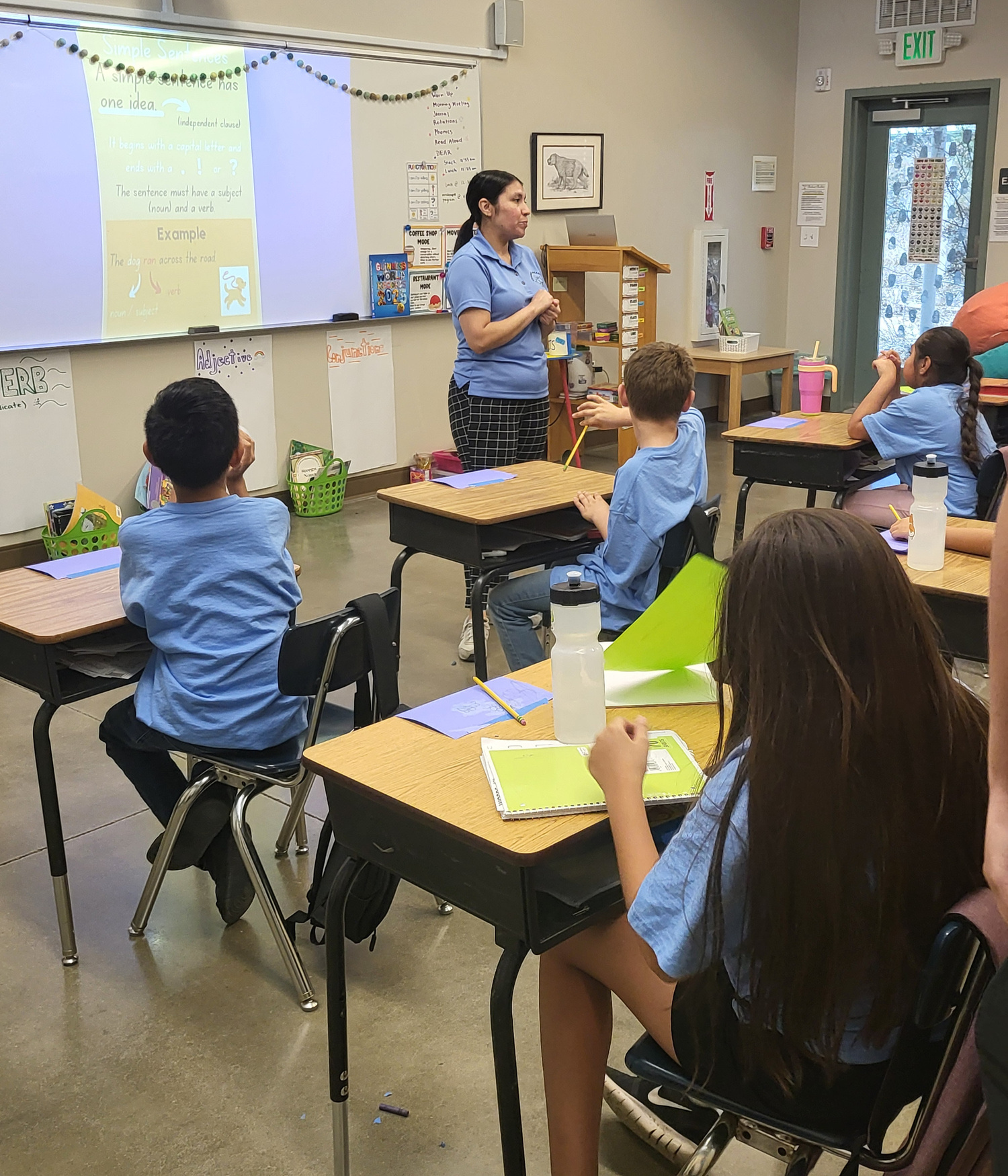
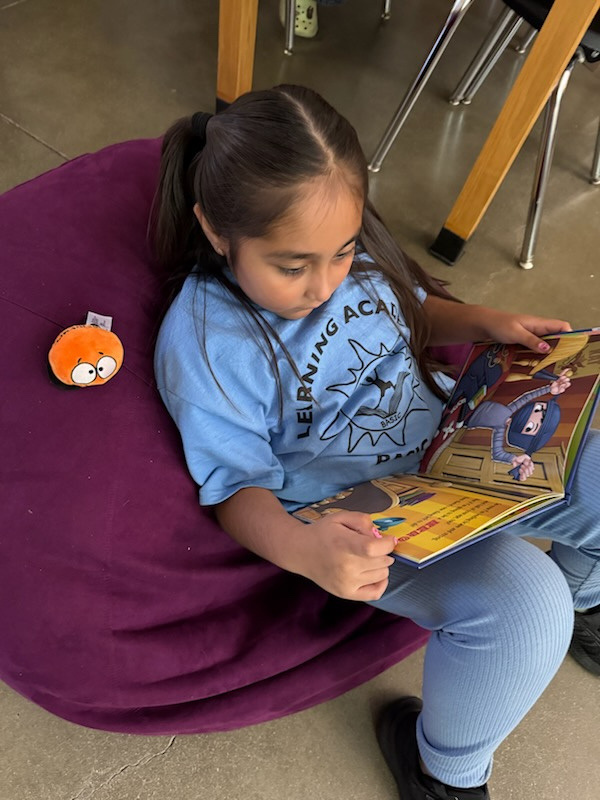

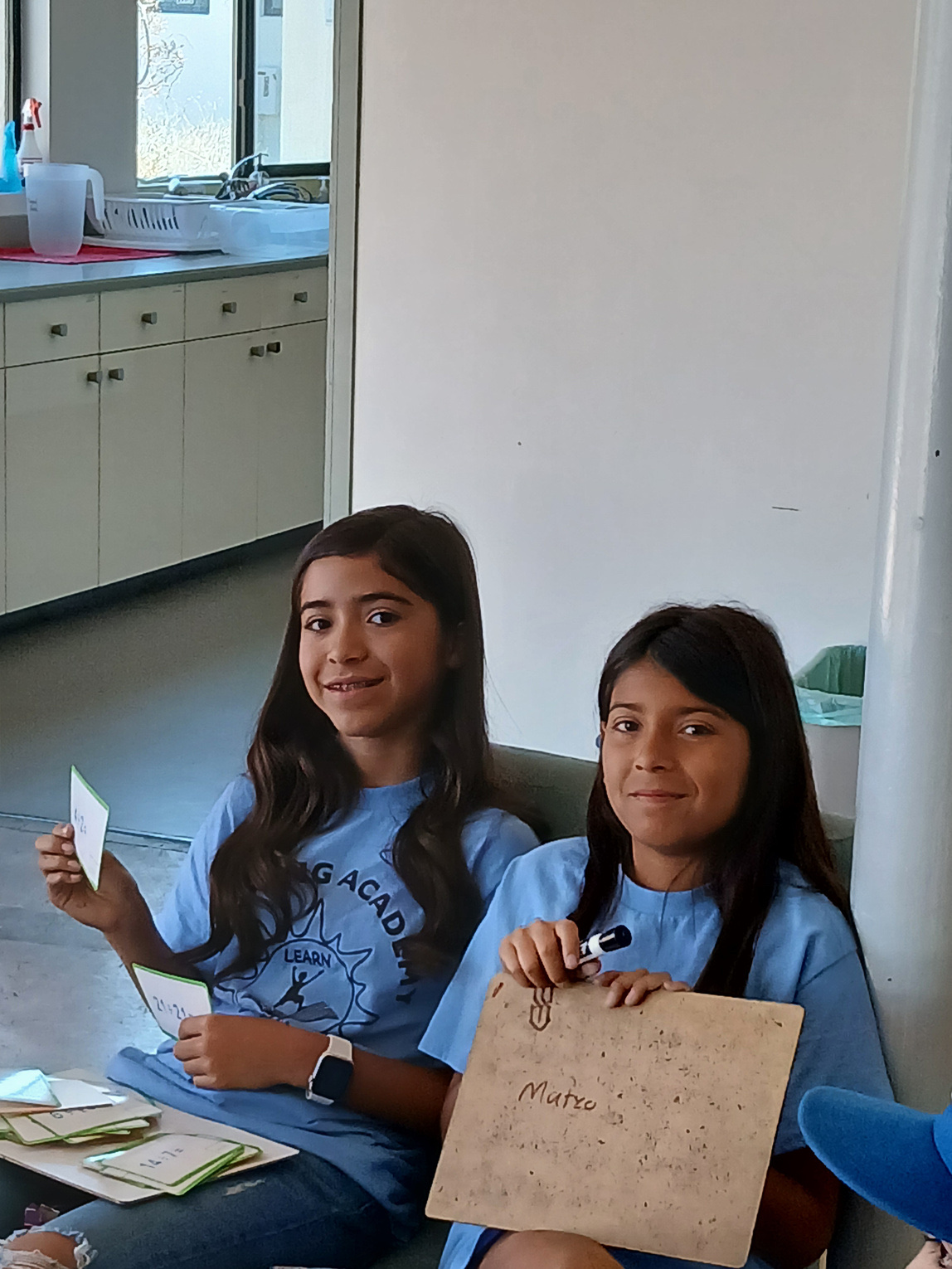
Every project tied back to the reading and language goals somehow — a painting became a writing prompt, a book became a discussion, a worksheet became the thing a student got to show off in front of the group.

The academic goal BASIC sets itself is deliberately high: 35–50% of students reaching grade equivalent on standardized pre- and post-testing, plus over 95% attendance and — the harder one to measure — an actual fondness for reading by the end of the summer. Nationally, chronic absenteeism affects a quarter to a third of K–12 students; Learning Academy’s 99% this year sits far outside that norm.
Closing out the ninth summer
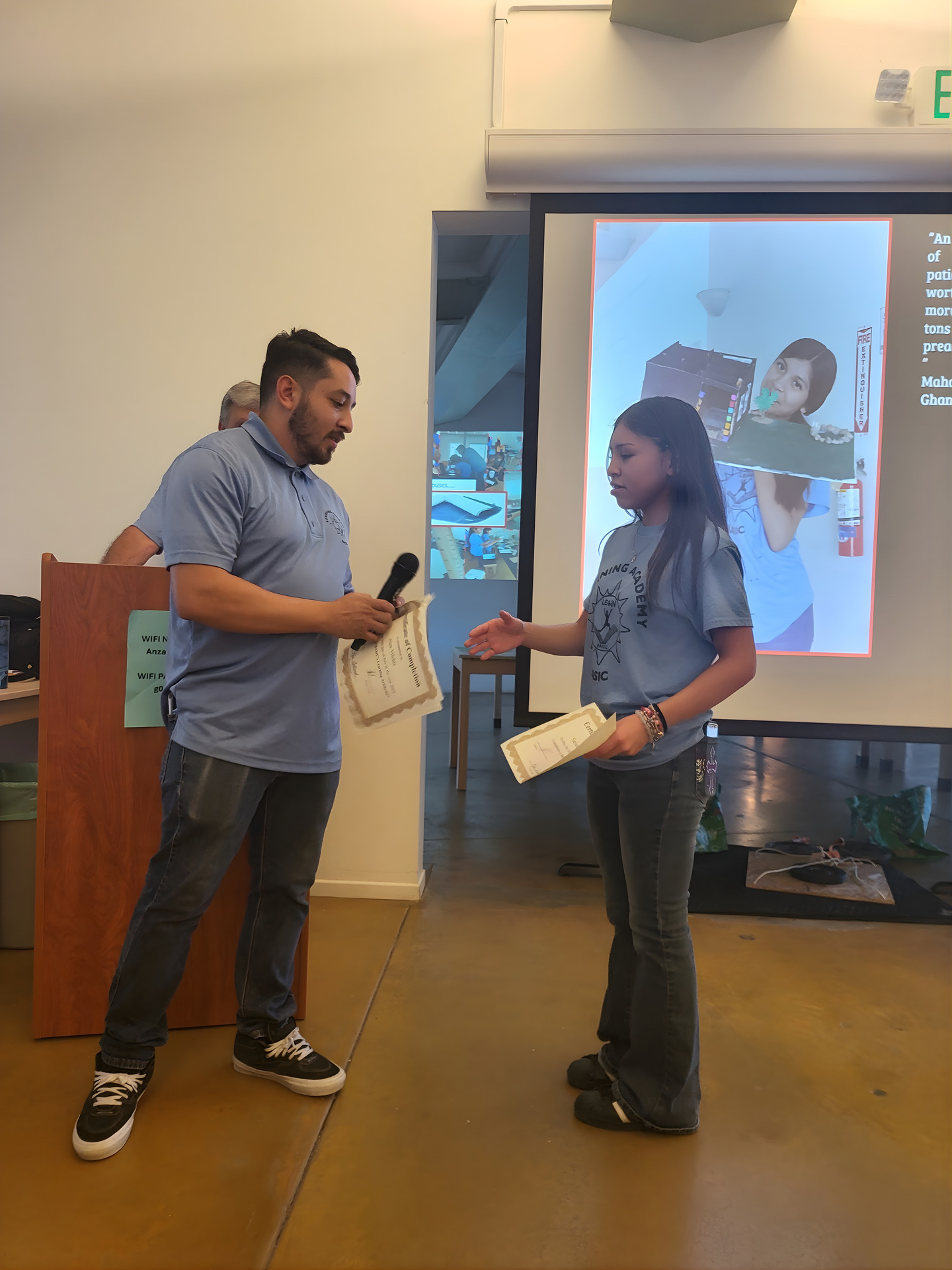
The ninth summer ended the way the others have: a ceremony, certificates, and a class that had spent a month together, in a program that runs entirely on tuition-free instruction and volunteer hours from teachers who come back year after year.